
Baptism is an important ritual in the Christian faith. It is primarily a symbol of spiritual cleansing, a new beginning, and trust in Jesus Christ.
Baptism is not just a ceremony; many believers see it as connected with the forgiveness of sins, spiritual rebirth, and entry into the Christian community.
In different Christian denominations such as Catholic, Protestant, and Orthodox, there may be slight differences in the procedures used to perform baptism. However, the meaning behind it generally remains the same faith, commitment, and spiritual renewal.
Many people also have questions about baptism, such as what infant baptism means, what steps are involved in the baptism ceremony, and what spiritual importance it holds in Christianity.
In particular, parents, godparents, and guests who attend this ritual are often curious about the traditions, expectations, and the meaning behind each step of the ceremony.
In this article, we will understand what baptism is, the purpose behind this ritual, and the traditions, requirements, and steps involved in baptism in a simple way.
What Is Baptism? (The Core Meaning and Purpose)
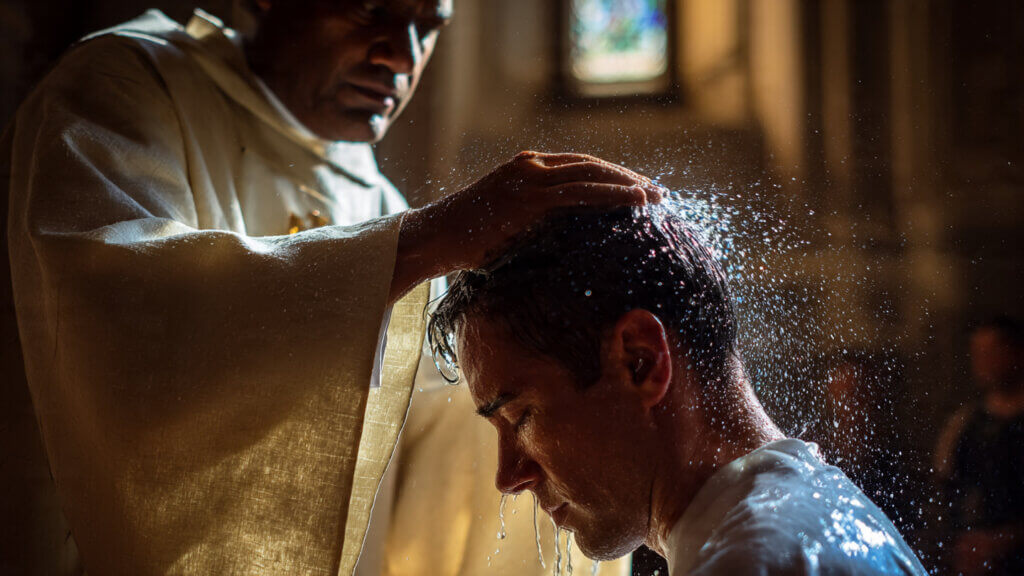
Baptism is a Christian ritual using water that symbolizes spiritual cleansing, rebirth, and a public declaration of faith in Jesus Christ. It represents forgiveness of sins and entry into the Christian community, marking the beginning of a believer’s spiritual journey.
In its simplest form, it is the sacred act of using water whether through immersion or pouring to signify a soul’s commitment to the Father, the Son, and the Holy Spirit.
For believers worldwide, baptism is more than just a ceremony; it is an “outward expression of an inward transformation.” It is a visible, public declaration of a private faith in God.
The Three Deep Symbols of Baptism
At its heart, this ritual carries three essential meanings:
- Cleansing: Water serves as a powerful symbol of washing away sin and leaving past burdens behind.
- Rebirth: Much like a fresh start, it represents “dying” to an old way of life and being born again into a spirit-led future.
- Community: It is a welcoming ceremony, bringing the individual into the global family of the Church.
A Biblical Foundation
The tradition of baptism is rooted in the life of Jesus Christ. By being baptized by John the Baptist in the Jordan River, Jesus set a divine example for all followers.
This act highlights baptism as a step of obedience and a gateway to a deeper, more personal relationship with the Creator.
A Channel of Grace
In many traditions particularly the Catholic and Orthodox Churches baptism is considered a sacrament. This means it is more than just a symbol; it is a direct channel of divine grace.
Through this ritual, a person is spiritually united with God, officially joined to the Church, and strengthened for the life of faith ahead.
What Is the Difference Between Baptism and Christening?
While people often use the terms interchangeably, there are subtle but important distinctions between them. Understanding these differences helps clarify whether you are talking about the theological sacrament or the naming ceremony.
What Is a Christening?
A “christening” is a term traditionally used to describe the naming ceremony of an infant. The word literally means “to bring to Christ” or “to make Christian.”
In historical and liturgical contexts, it refers specifically to the moment a child is officially given their Christian name and welcomed into the church community.
Key Differences: Sacrament vs. Ceremony
The main distinction lies in the intent and the context:
- Baptism (The Sacrament): This is the actual religious rite involving water. It focuses on the spiritual washing away of original sin and the person’s entry into the body of Christ. Both infants and adults can be baptized.
- Christening (The Naming): This is the social and traditional aspect of the ceremony. It focuses on the giving of the name (the “Christian name”) and is a term almost exclusively used for infants.
|
Feature |
Baptism |
Christening |
|
Focus |
Spiritual rebirth and grace |
Naming and dedication |
|
Who |
Infants and adults |
Primarily infants |
|
Scriptural Basis |
Strongly rooted in the Bible |
More of a traditional/cultural term |
When the Terms Are Used Interchangeably
In everyday conversation, most people especially in the UK and certain parts of the US use both words to mean the same thing: the party and the church service for a new baby. If you are invited to a “Christening,” you will almost certainly witness a “Baptism” during the service.
Differences Across Denominations
How these terms are used often depends on the church:
- Catholic and Orthodox Churches: Usually prefer the term Baptism, emphasizing the sacramental nature of the event.
- Anglican/Episcopal Churches: Frequently use Christening for infant services, though the prayer book uses “Baptism.”
- Baptist and Pentecostal Churches: Almost never use the word “Christening.” They practice “Believer’s Baptism” (for those old enough to profess faith) or “Baby Dedications,” which involve no water at all.
Why Infant Baptism Is Practiced in Christianity?
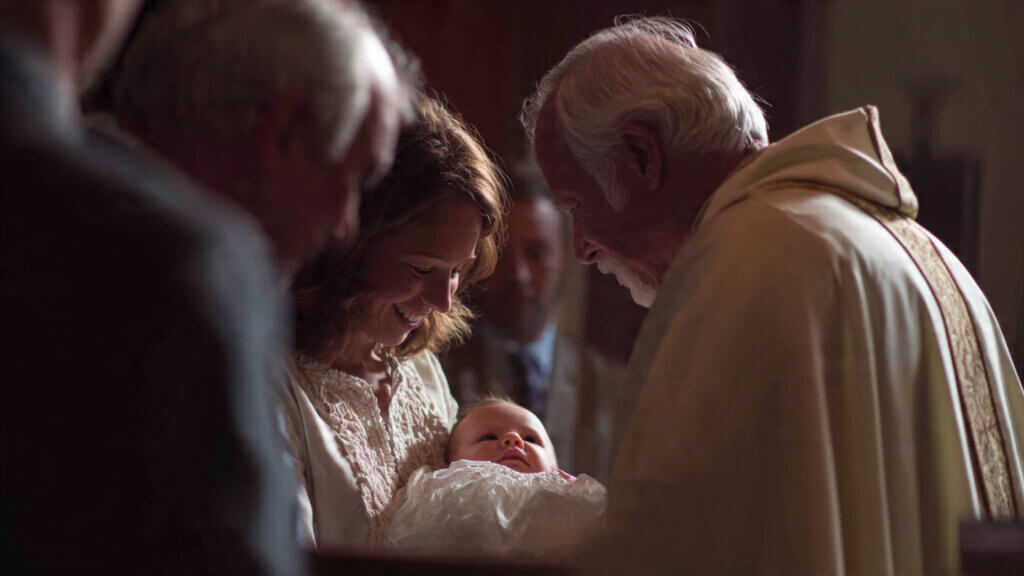
Infant baptism, also known as paedobaptism, is a long-standing tradition in many Christian denominations. While some see baptism as a choice made by an adult, others believe it is a gift from God that should be given as early as possible.
Here is why this practice remains a cornerstone of the faith for millions.
The Meaning of Infant Baptism
At its core, infant baptism is seen as the Christian equivalent of the Old Testament ritual of circumcision a sign of entering into a covenant with God.
Instead of waiting for the child to “earn” their faith, the Church provides the sacrament as a welcoming into the spiritual family from day one. It emphasizes that God’s love precedes our ability to choose Him.
The Role of Parents and Godparents
Since an infant cannot profess their own faith, the parents and godparents step in as proxies.
- They make sacred promises to raise the child in a Christian environment.
- Their role is to “guard the flame of faith” until the child is old enough to claim it for themselves (often during a later ceremony called Confirmation).
Spiritual Protection and Divine Grace
In many traditions, baptism is believed to offer:
- Washing of Original Sin: Clearing the spiritual slate from birth.
- Infusion of Grace: Providing the child with the “seed” of the Holy Spirit to guide them as they grow.
- Spiritual Protection: Placing the child under the care and prayers of the entire Church community.
|
Support Infant Baptism |
Reject Infant Baptism |
|
Catholic, Orthodox, Anglican/Episcopal, Lutheran, Presbyterian. |
Baptist, Pentecostal, Assemblies of God, Bible Churches. |
|
Believe baptism is a Sacrament (a direct act of God’s grace). |
Believe in “Believer’s Baptism” (requires a personal confession of faith). |
|
View it as a “Covenant” for the whole family. |
View it as a “Public Testimony” of a conscious decision. |
Also read : How to Know the Signs the Holy Spirit Is Speaking to You: A Beginner’s Guide
Why the Catholic Church Baptizes Infants?
The Catholic Church has practiced infant baptism since the earliest centuries of Christianity. For Catholics, baptism is not just a symbolic gesture; it is a necessary and life-giving sacrament that “opens the door” to all other spiritual gifts.
The Removal of Original Sin
The primary reason the Catholic Church baptizes infants is the doctrine of Original Sin. Catholics believe that every human being is born with a fallen nature inherited from the first humans.
- Baptism is seen as the remedy that washes away this stain.
- It restores the soul to a state of sanctifying grace, making the infant a “new creature” and an adopted child of God.
Early Initiation into the Faith
In the Catholic view, faith is a gift, and parents naturally want to give their children the best gifts as early as possible.
- Just as parents don’t wait for a child to grow up to provide them with medicine, food, or education, the Church encourages parents to provide spiritual nourishment immediately.
- Baptism is the first of the three Sacraments of Initiation (followed later by Eucharist and Confirmation), completing the child’s identity as a member of the Body of Christ.
The Vital Role of Godparents
In a Catholic baptism, godparents (sponsors) are more than just honorary family friends.
- They must be practicing Catholics who represent the wider Church community.
- Their primary duty is to assist the parents in raising the child in the faith, ensuring that the “seed” of faith planted at baptism grows into a living relationship with God.
Reference to Church Teachings
The Catechism of the Catholic Church (CCC) is very clear on this practice. In CCC 1250, it states:
“Purely gratuitous is the grace of salvation which is particularly manifest in infant Baptism. The Church and the parents would deny a child the priceless grace of becoming a child of God were they not to confer Baptism shortly after birth.”
The Church also points to the New Testament “household baptisms” (such as the family of Lydia or the jailer in the Book of Acts) as biblical evidence that entire families, including children, were brought into the faith together.
How Long Does a Baptism Take?
One of the most common questions for guests and parents is the timing of the ceremony. While the ritual itself is relatively short, the total duration can vary significantly depending on the setting and the traditions of the specific church.
Typical Duration: What to Expect
On average, a baptism ceremony lasts between 20 and 60 minutes.
- The Ritual Only: If the baptism is performed as a standalone rite (common for private family ceremonies), it usually takes about 20 to 30 minutes.
- Within a Full Service: If the baptism is integrated into a Sunday Mass or worship service, the entire event will likely last 60 to 75 minutes.
Factors Affecting the Length
Several elements can add time to the ceremony:
- Number of Candidates: If the church is baptizing five babies at once instead of just one, the processional and the individual anointings will take longer.
- Private vs. Public: Private ceremonies are often shorter and more intimate, whereas public baptisms include the participation of the entire congregation.
- Mass or Liturgy: Catholic and Orthodox baptisms held during a full Mass include scripture readings, a homily, and Communion, which extends the time.
Denominational Differences
- Catholic/Anglican: Usually 30 minutes for a private ceremony; 60+ minutes if held during Mass.
- Orthodox: These can be longer (45–90 minutes) because they often include multiple rituals like chrismation, tonsure (cutting of hair), and full triple immersion.
- Protestant/Baptist: Often very brief (15–20 minutes) when performed during a contemporary worship service.
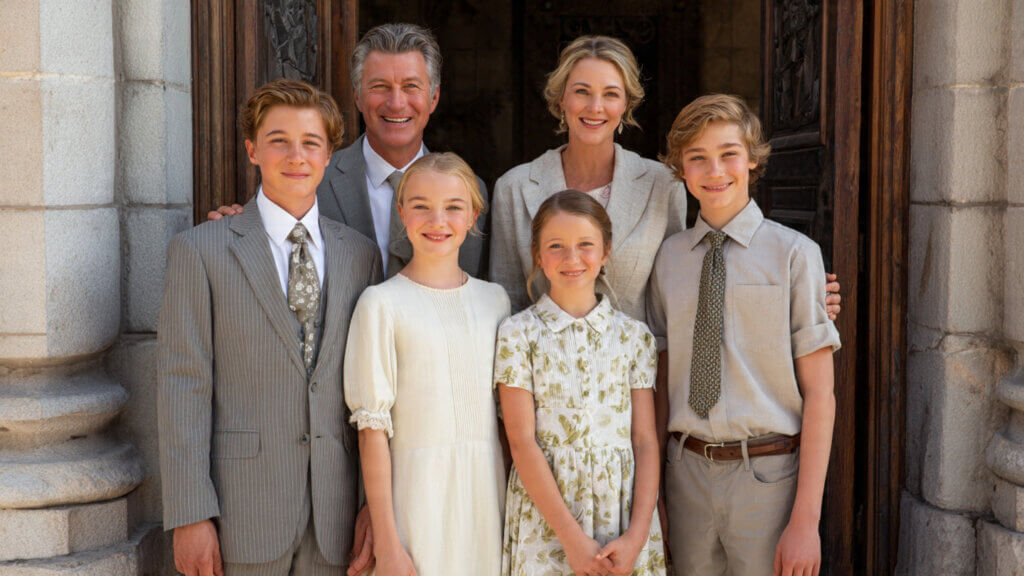
What to Wear to a Baptism: A Simple Guide
Attending a baptism is a joyful occasion, but it is also a formal religious event. When choosing your outfit, the goal is to look polished, respectful, and modest. Think “Sunday Best” or “Business Casual.”
Dress Code Basics
In a church environment, modesty and respect are most important. Choose clothing that is neat and not overly flashy or revealing. The focus of the day should remain on the baptism, not on your outfit.
Outfit Ideas by Category
For Men:
Men can keep it simple with dress slacks and a collared shirt, which is the safest and most appropriate option.
- Elevated Look: Adding a blazer works well for a more formal touch.
- Relaxed Settings: Chinos paired with a neat polo shirt are acceptable.
- Footwear: Should be clean and formal, such as loafers or dress shoes, avoiding sneakers or overly casual styles.
For Women:
Women can choose a knee-length dress, midi skirt, or a simple elegant outfit that feels comfortable yet respectful.
- Colours: Soft colours like white, pastel, or neutral tones are ideal.
- Church Etiquette: If wearing sleeveless clothing, it’s a good idea to carry a light cardigan or shawl for the service.
- Footwear: Can include flats, low heels, or wedges, especially if there is a gathering afterward.
For Children:
Children should be dressed neatly but comfortably.
- Boys: Can wear khakis with a polo shirt or a small shirt-and-trouser combination.
- Girls: Can wear a simple dress or skirt with a top.
- Key Tip: Keep outfits easy and comfortable so they can sit through the ceremony without discomfort.
Colours and Cultural Considerations
- Colours: Soft, light colours are very popular for baptisms. Think pastels, creams, light blues, or florals. While black is acceptable, try to brighten it up with accessories to keep the mood celebratory.
- White: Traditionally, the person being baptized wears white. While guests can wear white, many choose a different light color to let the candidate stand out.
- Cultural Context: In some traditions, like Orthodox or very traditional Catholic services, women may choose to wear a head covering or a longer skirt out of respect for local customs.
What to Avoid
To stay respectful of the sacred space, try to avoid:
- Too Casual: Ripped jeans, graphic t-shirts, or athletic wear.
- Too Revealing: Very short hemlines, plunging necklines, or sheer fabrics.
- Distracting: Loud, neon colours or overly noisy jewellery.
What to Say During a Baptism Ceremony
Whether you are a godparent making a lifelong promise or a guest offering your congratulations, your words add to the beauty of the day. Here is a guide on what to say during the ritual and what to write in a heartfelt message.
The Role of Parents and Godparents
During the ceremony, the priest or minister will ask specific questions. In most traditions (especially Catholic and Anglican), the responses are short but deeply significant. You will typically be asked:
- “What name do you give this child?” – You respond clearly with the child’s full name.
- “What do you ask of God’s Church for [Name]?” – The standard response is: “Baptism.”
- The Vows: When asked to renounce sin and profess faith, the collective response is a firm: “I do.”
Common Blessings and Prayers
If you are asked to offer a prayer or want to say something meaningful to the family, these phrases are classic and respectful:
- “May the Lord bless [Name] and keep them in His grace forever.”
- “Wishing you and your child a lifetime of faith, love, and spiritual growth.”
- “May this be the beginning of a beautiful journey walked in the light of Christ.”
Simple Congratulation Messages (For Cards)
If you are a guest filling out a card, keep it warm and celebratory:
- “Congratulations on [Name]’s special day! We are so happy to be part of this celebration.”
- “So happy to see [Name] welcomed into the Church today. Sending you all our love.”
- “May your child’s life be filled with the joy and peace that today represents.”
Biblical or Spiritual Messages
Adding a scripture verse is a thoughtful touch for a baptism gift or card. Some of the most popular include:
- Matthew 28:19: “Go therefore and make disciples of all nations, baptizing them in the name of the Father and of the Son and of the Holy Spirit.”
- Numbers 6:24: “The Lord bless you and keep you.”
- Galatians 3:27: “For as many of you as were baptized into Christ have put on Christ.”
How Much Should You Give for a Baptism Gift?
While there is no “mandatory” amount for a baptism gift, the value typically depends on your relationship with the family. Because a baptism is a significant religious milestone, gifts are usually more thoughtful or substantial than a standard birthday present.
Typical Gift Amounts (Based on Relationship)
If you are giving cash or a gift card, these are the general guidelines:
- Godparents: Usually the most generous, ranging from $50 to $150+ (or a significant heirloom like a piece of jewellery).
- Close Family (Grandparents, Aunts/Uncles): Typically between $50 and $100.
- Close Friends: Usually in the $30 to $50 range.
- Acquaintances or Co-workers: A thoughtful gift or card worth $20 to $30 is perfectly appropriate.
Meaningful Gift Ideas
You don’t always have to give cash; many people prefer gifts that the child can keep for years to come.
- Religious Items: A children’s Bible, a small silver cross necklace, or a personalized rosary.
- Keepsakes: A silver-plated piggy bank, a “My First Prayers” book, or an engraved picture frame with the baptism date.
- Practical Gifts: High-quality baby blankets, embroidered towels, or even a contribution to the child’s college savings fund.
Cultural Variations
Gifting traditions can change based on the background of the family:
- Catholic/European Traditions: It is very common to give “Silver” (spoons, rattles, or coins) to symbolize a wish for prosperity.
- Orthodox Traditions: The godparents often pay for the baptismal outfit and the cross the child wears during the ceremony.
- Modern Trends: Many families now appreciate “experience” gifts or donations made to a charity in the child’s name.
Practical vs. Meaningful: Which is Better?
The best gifts often strike a balance. A practical gift (like clothes or diapers) helps the parents now, while a meaningful gift (like a personalized ornament or religious book) becomes a treasure for the child later in life.
If you aren’t sure, a heartfelt card with a modest check is a classic choice that is always appreciated.
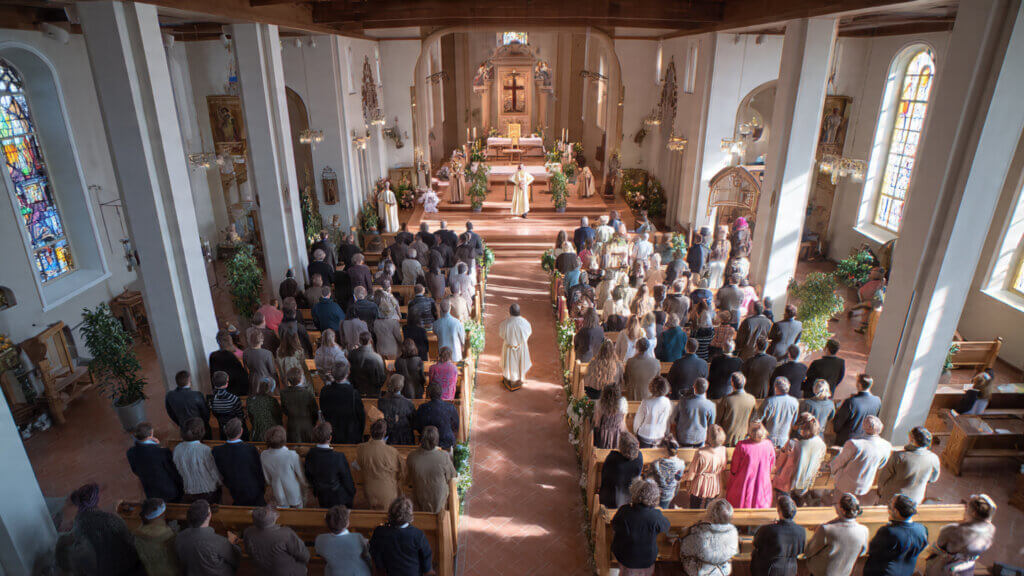
Baptism Ceremony Step-by-Step (What to Expect)
While every church has its own unique traditions, most Christian baptisms follow a beautiful, structured flow. Understanding these steps will help you stay engaged and follow along with the spiritual significance of the moment.
1. Welcome and Introduction
The ceremony often begins at the entrance or the “narthex” of the church. The priest or minister greets the family and the child, asking the parents what name they have chosen. This symbolizes the child being formally presented to God and the community.
2. Readings and Prayers
Once inside, the congregation listens to short passages from the Bible (the Liturgy of the Word). These usually focus on themes of water, rebirth, and God’s love. A brief reflection or homily follows, explaining the responsibility of raising a child in the faith.
3. Blessing of the Water
Before the baptism occurs, the minister prays over the water in the baptismal font. This is a powerful moment where the water is set aside for a sacred purpose, often referencing the Spirit of God “hovering over the waters” at creation or Jesus’ own baptism in the Jordan.
4. The Act of Baptism (The Core Ritual)
This is the most important part of the service. Depending on the denomination, the minister will perform one of two actions while saying, “I baptize you in the name of the Father, and of the Son, and of the Holy Spirit”:
- Affusion (Pouring): Water is poured three times over the head (common in Catholic and Lutheran churches).
- Immersion: The person is fully submerged in water (common in Orthodox and Baptist traditions).
5. Anointing and Symbols
After the water ritual, several “Explanatory Rites” take place to symbolize the child’s new identity:
- Anointing with Oil (Chrism): Symbolizing the “aroma of Christ” and the gift of the Holy Spirit.
- The White Garment: Representing purity and being “clothed in Christ.”
- The Baptismal Candle: Lit from the church’s Paschal (Easter) candle, this represents the light of Christ now burning within the child.
6. Closing and Final Blessing
The ceremony concludes with the Lord’s Prayer (The Our Father) and a special blessing for the parents especially the mother and father and all those gathered. The family usually stays for photos afterward to capture the beginning of this new spiritual chapter.
Baptism in the Old Testament: The Biblical Roots
While the word “baptism” is most famous from the story of Jesus, the concept of being “washed clean” by water is a thread that runs through the entire Old Testament. These ancient stories serve as “types” or foreshadowing of the sacrament we practice today.
The Spirit Over the Waters (Genesis 1:2)
The very first chapter of the Bible mentions the Spirit of God hovering over the waters of creation. For many theologians, this is the first hint of baptism: water being the source of all life and the place where God’s Spirit begins its work.
The Great Flood and Noah’s Ark
St. Peter explicitly compares the Flood to baptism (1 Peter 3:20-21).
- Just as the floodwaters washed away the wickedness of the old world to give humanity a fresh start, baptismal water washes away sin to give the soul a new beginning.
- The Ark represents the Church the vessel that carries us safely through the water.
Crossing the Red Sea
When Moses led the Israelites out of Egypt, they passed through the Red Sea to escape slavery and enter freedom.
- This is a powerful symbol of baptism: leaving behind the “slavery” of sin and passing through water to enter into a covenant relationship with God.
Ritual Washings (The Mikvah)
In the Law of Moses, the Jewish people practiced Tevilah—ritual immersion in a bath called a Mikvah.
- Priests had to wash before entering the Tabernacle.
- People performed ritual washings to become “ritually pure” after illness or touching something unclean.
- This tradition is the direct ancestor of the baptism performed by John the Baptist.
The Prophecy of Ezekiel
One of the most beautiful “Old Testament baptisms” is a promise from God in Ezekiel 36:25-26:
“I will sprinkle clean water on you, and you will be clean… I will give you a new heart and put a new spirit in you.”
This prophecy perfectly describes the “inward transformation” that Christians believe happens during the sacrament today.
Conclusion : Purpose of Baptism in Christianity
Baptism is a meaningful spiritual act that symbolizes new beginnings, faith, and connection with God. While traditions and practices may differ across denominations,
its core purpose remains the same welcoming a person into a life of spiritual growth and commitment. Understanding baptism clearly helps remove confusion and allows you to appreciate its deeper significance.
Rather than focusing on differences, it is important to see the shared values of faith, renewal, and devotion. Whether you are attending or planning a baptism, approach it with a calm mind and open heart.
It is a simple yet powerful moment that carries lasting meaning throughout life.
FAQ’s : Purpose of Baptism in Christianity
Can Adults Be Baptized in Christianity?
Yes, many churches offer adult baptism after faith declaration.
Is baptism necessary for salvation?
Depends on denomination; some see it as essential, others symbolic.
Can you be baptized more than once?
Generally no, but some denominations allow it.
What to Write in a Baptism Card?

Write a heartfelt blessing wishing faith, love, and guidance. Congratulate the family and child, and include a simple spiritual message or Bible verse to make it meaningful.
What to Wear to a Baptism as a Guest?
Wear modest, respectful clothing in light or neutral colors. Choose semi-formal attire that suits a religious setting, and avoid casual or flashy outfits to maintain appropriateness.

I am Niranjan Joshi, the founder and writer of Meaningful Spirits. Through this website, I research and write about biblical meanings, Christian dream interpretation, and spiritual reflections to help readers understand deeper spiritual messages and grow in faith.